Frequently asked questions
How quickly can an electrician get to Tallai?
Tallai is within our southern Gold Coast hinterland coverage, up on the ridges behind Mudgeeraba and Worongary, so travel time runs a little longer than the coastal suburbs. Standard bookings are still usually actioned same-day, and genuine emergencies like power loss or burning smells are prioritised first. Call 0421 333 034 to check today’s availability.
Do you offer 24/7 emergency electrician call-outs in Tallai?
Yes. We provide 24/7 emergency electrician call-outs across Tallai for genuine urgent issues: power loss, sparking outlets, burning smells, or exposed wiring. Standard trading hours apply for scheduled, non-urgent work. Call 0421 333 034 any time to report an emergency.
What electrical issues are common on Tallai’s acreage properties?
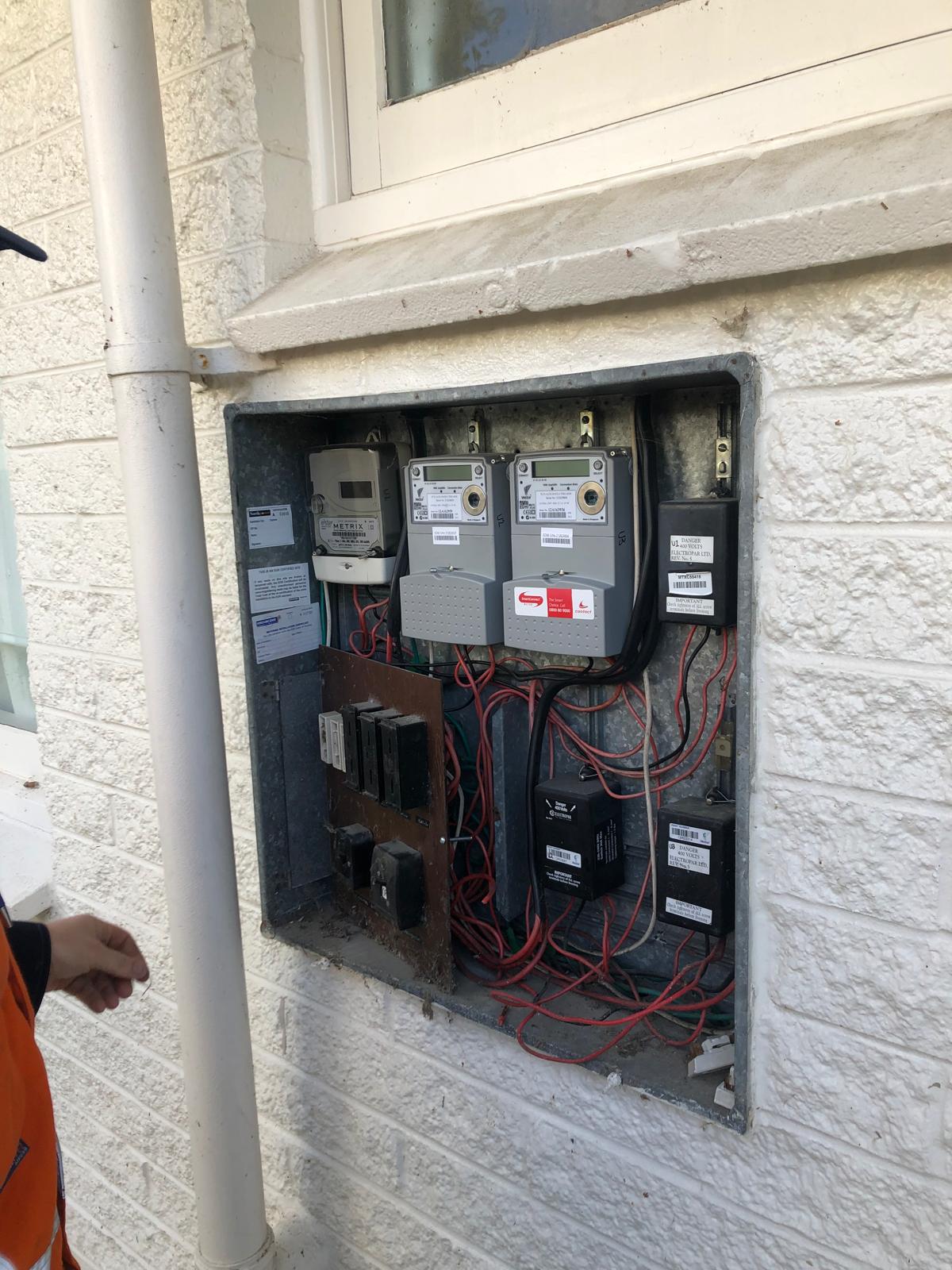
Tallai is 89.5% separate houses on large blocks, with two thirds of homes having four bedrooms or more and an average of 2.5 registered vehicles per dwelling. Long underground or overhead runs out to sheds, machinery bays and pump systems are a common cause of voltage drop and nuisance tripping, because a sub-main has to be sized for the distance it travels rather than just the load it carries. The other recurring issue is capacity: switchboards and consumer mains on older rural properties are often undersized once a second EV charger, ducted air conditioning, a pool and a powered shed have all been added over the years.
Am I responsible for the power pole on my property?
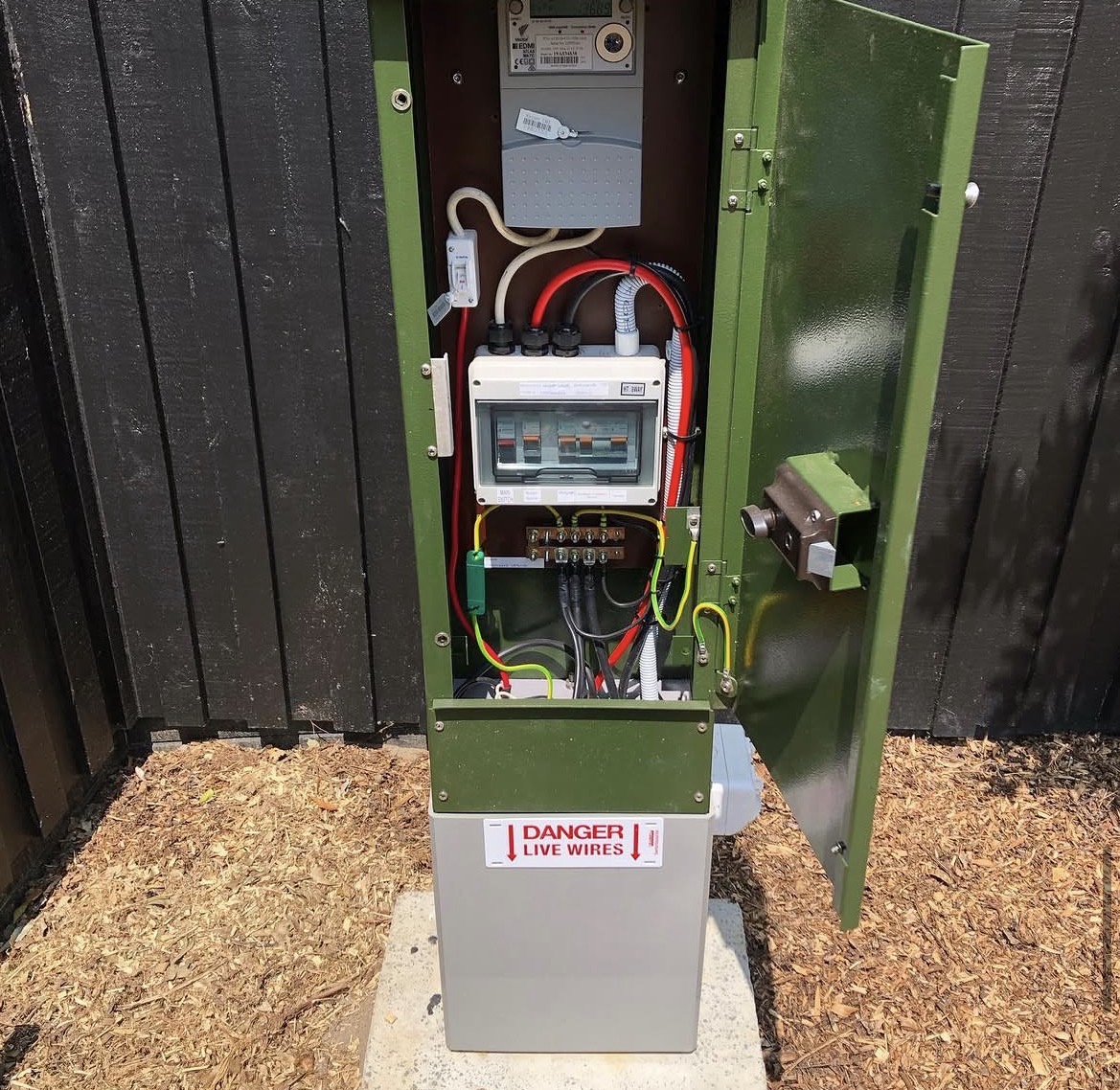
On acreage, very often yes. Where the supply crosses private land, poles inside your property boundary are private power poles, and Queensland’s Electrical Safety Office states they are owned by you as part of the property and are your responsibility to check and maintain. Clearing trees away from privately owned powerlines is also the property owner’s responsibility, not the network’s. The ESO recommends a safety inspection every five years by a licensed electrician, and suggests watching in between for poles leaning excessively, rot or corrosion at ground level or just below, fittings or wires pulling away from the pole, and cross arms splitting, loose or sagging. We inspect and repair private poles and can tell you where the network’s responsibility ends and yours begins. This is general information rather than advice about your specific connection.
Does Tallai’s elevation and hinterland environment affect electrical work?
Yes. Tallai sits up on the hinterland ridges with denser vegetation on the surrounding slopes and more wind and weather exposure than suburbs closer to sea level. Where a property has its own poles and overhead runs, that exposure is the owner’s to manage, including keeping vegetation clear of privately owned powerlines. We can inspect exposed sections of your supply and advise on clearance, protection or replacement where it makes sense.
Do you handle electrical work for rural and acreage properties in Tallai?
Yes. Acreage blocks and rural-residential properties make up the large majority of Tallai, and the work looks different to a standard suburban job: shed and machinery circuits, pump wiring, private pole inspections, and switchboard or consumer mains upgrades to handle modern loads. All quoted fixed-price on site before work starts.
How does your pricing work?
We confirm pricing on site before starting any work, so there’s no hourly billing to worry about, and nothing extra turns up on the invoice afterwards. Payment happens on the spot once the job’s done, via portable EFTPOS.
Are you licensed and insured?
Yes. We hold QLD Electrical Contractor Licence 1511406 and full insurance. Every job also comes with a lifetime workmanship warranty rather than the usual 12-month term.
What are the QLD smoke alarm rules for Tallai properties?
Queensland law requires interconnected photoelectric smoke alarms in every bedroom, in hallways connecting bedrooms to the rest of the home, and on every storey. The requirement is being phased in, and the date that applies depends on the property: since 1 January 2017 it has applied to new builds and substantial renovations, since 1 January 2022 to any dwelling that is sold or leased, and from 1 January 2027 it applies to all remaining domestic dwellings, including owner-occupied homes. Only 10.9% of Tallai is rented, so for the large majority of properties here 2027 is the operative date rather than 2022. With two thirds of Tallai homes having four bedrooms or more, it is a bigger install than most people expect. We supply and install compliant systems and can advise on your property’s exact requirements.